

04 Aug The Hidden Math of Funding Your Next Remodel
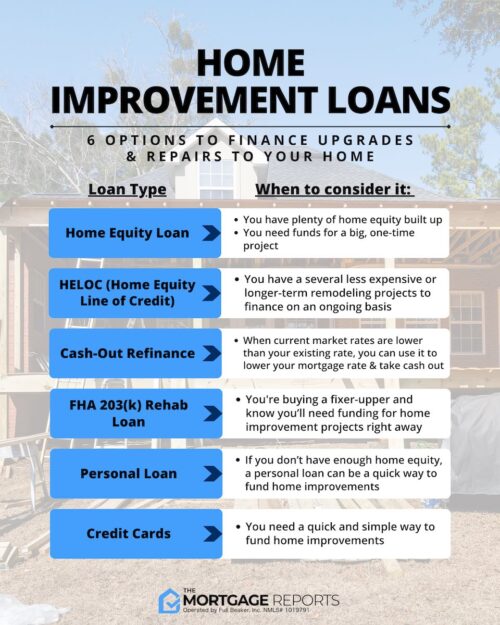
Most people think a kitchen remodel requires a massive, months-long negotiation with a mortgage lender to tap into their home’s equity, but that’s a misunderstanding of how modern debt works. You don’t actually need to touch your house to fix your house. In fact, tying your home up in a second mortgage often creates more headaches than the leaky faucet it was meant to fix. Personal loans have become the preferred tool for homeowners who want speed and simplicity over the complex bureaucracy of traditional home equity products.
If you’re looking at a contractor’s estimate and feeling that immediate pit in your stomach, you’re likely overcomplicating the math. You can use a personal loan for home renovation to add a bedroom, fix a roof, or handle almost any job around the house. This makes it a much more flexible instrument than a standard construction loan. People use them for everything from weddings to medical bills, but for the homeowner, it’s about avoiding the paperwork trap.
But don’t mistake flexibility for a free pass to spend recklessly. A loan is still debt, and the terms you agree to today will dictate your disposable income for the next three to five years. You need to understand exactly what you’re signing up for before the first sledgehammer hits a drywall.
Unsecured Debt vs. The Collateral Trap
The biggest distinction you need to grasp is the concept of “unsecured” debt. When you take out a home equity line of credit (HELOC), your house is the collateral. If you fail to pay, the bank can take your roof. A personal loan is different because it is unsecured, meaning you do not use any asset as collateral. This lack of collateral is a massive benefit because it protects your property from being seized if a renovation project goes south or if you lose your job.
Because there is no collateral, the lenders focus almost entirely on your creditworthiness and your income. This is why your credit score is the single most important factor in determining whether you get the deal or get rejected. You might find that Wells Fargo offers rates as low as 6.74% for those with excellent credit, but if your score is in the mid-600s, you will be looking at much higher numbers.
This lack of collateral is a double-edged sword. While it keeps your home safe, it also means the interest rates are generally higher than a mortgage. You’re essentially paying a premium for the privilege of not risking your house. If you’re looking at a massive, whole-home renovation that will cost $100,000, a personal loan might not be the most efficient tool because the interest costs will eventually outweigh the benefits of the speed you gained.
However, for smaller, targeted projects, the math works out. If you need $15,000 to replace a deck or update a bathroom, the interest rate difference between an unsecured loan and a home equity loan is often negligible compared to the cost of hiring an architect and waiting 60 days for a bank to approve a mortgage modification. Speed is a currency of its own in construction.
Comparing the Terms and the Fine Print
You shouldn’t just walk into the first bank you see. The market for these loans is crowded, and the differences in how they structure their deals can cost you thousands of dollars over the life of the loan. You need to look at the APR (Annual Percentage Rate), not just the interest rate, because the APR includes the fees that lenders often hide in the fine print. Some lenders charge an origination fee, while others, like Discover, offer up to $40,000 with no origination fee at all. This distinction is massive when you’re trying to keep a project within a specific budget.
Take a look at how the numbers actually stack up when you compare different providers:
| Lender Type/Example | Typical Max Amount | Collateral Required | Key Benefit |
|---|---|---|---|
| Traditional Personal Loan | Up to $50,000 | No | Fast funding, often same-day |
| Home Equity Loan | Based on home value | Yes | Lowest interest rates |
| Credit Card (0% Intro) | Varies | No | Interest-free if paid quickly |
The speed of the process is the real selling point for many. You can find options where personal loans give you access to funding quickly, sometimes on the same day you apply. This is a lifesaver if you find a contractor offering a “cash discount” or if a repair becomes an emergency like a burst pipe or a failing furnace. Waiting weeks for a mortgage appraisal is not an option when your basement is turning into a swimming pool.
You also need to consider the repayment structure. Most of these loans offer fixed monthly payments, which makes budgeting much easier than a variable-rate HELOC. With a fixed rate, you know exactly what your outgoing cash flow will look like every month. That’s vital when you’re also trying to manage the unexpected costs that inevitably arise during any home renovation. If you don’t account for the “oops” factor in your budget, you’ll find yourself struggling to make those fixed payments.
One thing to keep in mind is that while you can use these funds for your home, you can also use them for almost anything else. This flexibility can be a trap. If you take out a $30,000 loan for a kitchen but end up using $5,000 of it for a vacation or a new car, you’re effectively paying high interest on lifestyle choices rather than your home’s equity. Discipline is the most important tool in your renovation toolkit.
If you’re searching for a way to manage multiple debts while also planning a project, you might want to look into local options like texasloanstoday.com to see what specific regional lenders might offer to help consolidate or fund your needs. Localized knowledge can sometimes beat the national giants for customer service and specialized underwriting.
The Hidden Costs of Rapid Financing
It’s easy to get caught up in the excitement of a new granite countertop or a freshly painted master suite, but the math of the loan can be unforgiving. You should be looking at the total cost of borrowing, not just the monthly payment. A $30,000 loan might look affordable on a monthly basis, but when you factor in a 5-year term at 12% interest, you’re paying back significantly more than you originally borrowed. You must run the numbers on how much that monthly payment will impact your ability to save for emergencies or your retirement.
But many people forget that the “cost” of a loan isn’t just the interest. You have to look for:
- Origination Fees: Some lenders take a percentage of the loan off the top before you even see it.
- Prepayment Penalties: Some banks charge you a fee if you try to pay the loan off early to save on interest.
- Late Fees: These can be aggressive and can negatively impact your credit score if you are already stretched thin.
- Variable Rates: Unless specifically stated otherwise, some loans can see their rates rise if the market shifts.
I once spoke to a homeowner who thought they were being clever by taking out a personal loan to cover a $10,000 deck project, but they didn’t realize they were signing up for a variable rate that spiked six months later. They were stuck paying 15% interest on money they had already spent on wood and nails, which is a terrible way to finance a home improvement. You need to be certain about the rate structure before you sign anything.
And don’t assume that a higher credit score automatically guarantees the best possible terms from the biggest banks. Sometimes, smaller credit unions or online lenders can offer more competitive rates because they have lower overhead or more aggressive lending models. You have to do the legwork to compare at least three different quotes to ensure you aren’t leaving money on the table.
When to Say No to a Personal Loan
There is a very fine line between a strategic home improvement and a debt spiral. If you are borrowing money to fix something that is broken, like a roof, a furnace, or a foundation issue, the loan is an investment in the asset. You’re essentially repairing the value of the house. In these cases, the debt is often “good” debt because it prevents further degradation of your property.
However, if you are borrowing money for purely aesthetic upgrades that won’t actually increase your home’s market value, like high-end wallpaper, expensive light fixtures, or luxury landscaping, you are essentially gambling. You’re betting that the beauty of the upgrade will translate directly into a higher resale price, but that is never a guarantee. If the market dips, you’re left with an expensive bathroom and a loan that you can’t pay off with the proceeds of a sale.
You also need to consider the total amount you’re taking on. If a personal loan is going to push your total debt-to-income ratio above 40%, you’re entering dangerous territory where a single job loss or a sudden medical bill could lead to a total financial meltdown. You should always aim to keep your debt obligations manageable and leave a buffer for the inevitable “while we’re at it” expenses that arise during any construction project.
The decision to use a personal loan for home improvement comes down to a trade-off between speed and cost. You’re trading a higher interest rate for the ability to get the work done now without the headache of a mortgage modification. If you have the credit score to secure a low rate and the discipline to stick to your budget, it is one of the most efficient ways to upgrade your living situation. Just don’t let the convenience of the cash blind you to the reality of the debt.
A few things readers ask
Can personal loans be used for home improvements?
Yes, personal loans are unsecured funds that can be used for any purpose, including renovations, furniture, or landscaping.
How much would a $30,000 personal loan cost per month?
Monthly payments typically range from $600 to $800 depending on the interest rate and the loan term length.
What is the best way to borrow money for home improvements?
The best method depends on your project size; personal loans offer speed for small fixes, while home equity loans provide lower rates for major renovations.
What is the minimum credit score for a home improvement loan?
While requirements vary by lender, most personal loans require a score of at least 610, with the best rates reserved for those with 720 or higher.
Is a personal loan better than a home equity loan for remodeling?
Personal loans are better for quick, smaller projects due to faster funding, whereas home equity loans are ideal for large projects because they offer lower interest rates.
Sorry, the comment form is closed at this time.